Your Cart
Loading

Preparing for Narcissistic Entanglement During & after the Holidays

Managing Expectations During the Holidays When Dealing with Narcissistic Abuse


A narcissist can usually only pretend to behave better for a very short period of time. Soon he can't take it anymore and “suddenly” falls back into his old behavior. It is crucial to get prepared for their emotional outbursts, gaslighting, entanglement, scheming or other narcissistic behavioral methods that are intended to make you feel bad instead of them.


If you've experienced narcissistic abuse in your lifetime, as many have, you're aware that your family members are unlikely to transform during the holidays. It's simply not a realistic expectation. In fact, it can be quite hazardous to anticipate a magical and peaceful Christmas (or any holiday). When it comes to dealing with toxic individuals, it's best to expect the best but be prepared for the worst. This mindset can prove to be a more beneficial approach.


Christmas and other holidays can challenge the strongest optimist. Of course, when you're constantly together, friction and conflict can arise. It is totally normal. But if you want to celebrate with toxic people, narcissistic family members, partners or friends, some precautions are necessary.


Of course, not all people are the same and not all narcissists are alike, but certain patterns can be identified according to which narcissistic behavior occurs on holidays:


1.) It often starts with the planning for the holidays: Plans are drawn up a long time ago, a few weeks or months before the celebration, then overturned, changed again and mixed up again until you no longer know which way is behind or ahead. Narcissistic behavior causes confusion, if only out of insecurity, but that doesn't get you anywhere and you have to constantly start over again. Apart from that, this could lead to disputes in advance.


Tip: It helps to draw up a plan and a list in which the tasks are distributed and, of course, written down who does what.


2.) Promised tasks are not kept: Covert narcissistic behavior in particular tends to forget things that were promised right at the appointment or celebration. They don't ask for the time in case they've forgotten it, nor do they inform you that they're three hours late. They don't say that they aren't bringing the cake and they also don't say that they're bringing someone with them who of course wants to be taken care of. When covert narcissists promise something, their toxic behavior tends to drop the bomb right on the holidays. Because toxic behavior loves to cause drama and deny responsibility.

People who tend to behave narcissistically do not like to take responsibility, they do not like to help and can only be persuaded to cooperate if they receive public recognition for it.


Tip: Don't make a scene for the person during the holidays. Here too, it is important to plan all of these obligations in advance and record them in a list. Then you can prove everything afterwards - or during the event if necessary. Since you have something in writing, so to speak, you can keep your cool and pass the responsibility for the appointment violation back to the person who caused it.


3.) No appreciation: People with narcissistic behavior often demonstrate rejection of everything that has cost others a lot of effort and effort. They don't like the gifts and say so out loud. They don't like how you dress and say so in front of others. The food has tasted better before and everything else is better - supposedly.

We know that's not true. This is simply the degrading behavior of people who are always dissatisfied with everything and want others to be just as dissatisfied. Maybe this will get them attention, even if it is negative.


Tip: Just don't listen to the narcissists' constant nagging. It's not meant to be personal, even if it sounds that way. You can also write down your comments here so that next time you can say: “Oh, you didn't like the Brussels sprouts last time, today it's the sweet potato casserole. Can you cook next time?” Just for example.


4.) Construct drama: If people with narcissistic tendencies have not yet managed to construct drama, they do so unexpectedly and often towards the end of the celebrations. Somehow they manage to play people off against each other by passing on distorted information that A said about B or B said about A. Most of it is fiction, although with a grain of truth. It is well known that people like to listen to false statements with a grain of fact. When you are not completely clear and focused, toxic people take the opportunity to bring things up in a somewhat emotional moment, like a kind of bullying in private.


Tip: Stay calm and don't react emotionally. Use self-regulation measures and go outside for some fresh air until you can think clearly again. If you don't counterattack but can remain confident within yourself, you won't give your power to the narcissist who is just lurking. If you keep your cool, he'll come away empty-handed.

narcissistic-abuse-recovering-tips-jette-hofmann

Be vigilant - This is very suspicious

If you have a narcissist in the family who is often in a bad mood and constantly finds fault with others, then you know something is wrong when he suddenly becomes overtly friendly. Real narcissists only do this when they have something up their sleeve. Anything else would be too good to be true, even if you wished he or she had changed. Sorry no, they just don't.


It is therefore much more likely that the narcissist believes he has an ace up his sleeve. He probably found out something, some information he could use to hold against someone else. Narcissists like to blow things up at Christmas to cause an argument. What they like most is turning couples, siblings or friends against each other.

Natural friendliness...unfortunately not to be expected

The Double-Bind Technique - Coercive Control made by Narcissists

Narcissists are experts in manipulating people and undermining their self-esteem. They especially love to manipulate their own children, family members, spouses, friends and colleagues who are sensitive and empathic. Even during the holidays, they may try to feign improvement and act differently this year, but in 99,99999999% 😊 of the time this not going to happen. Narcissists can only pretend to be good for so long before their toxic and manipulative ways resurface unexpectedly.

A Manipulation Technique that Narcissists love - The Double-Bind Technique.


The term "double-bind" originated from the field of family therapy and was first introduced by Gregory Bateson and his colleagues in the 1950s. In the context of narcissistic manipulation, the double-bind refers to a type of communication or interaction that puts the victim in a lose-lose situation, making it difficult for them to respond or escape the manipulation.

Narcissists often use double-bind manipulation to control and confuse their victims, creating a sense of powerlessness and dependency. Here's how it typically works:


  1. Contradictory Messages: The narcissist communicates conflicting messages, leaving the victim unsure about what is expected of them. These messages might be verbal or non-verbal and can be direct or subtle.
  2. No-Win Situation: The victim is presented with a situation where any response they give is met with negative consequences. Whichever choice the victim makes, it plays into the narcissist's agenda and maintains their control.
  3. Manipulative Intent: The double-bind is a deliberate strategy employed by the narcissist to maintain control over the victim. It can be used to undermine the victim's confidence, foster dependence, and create a perpetual state of confusion.
  4. Emotional Manipulation: The double-bind often involves emotional manipulation, playing on the victim's emotions and vulnerabilities. This can include guilt-tripping, gaslighting, or emotional blackmail.
  5. Punishment: Manipulation can take on many forms, one of which is punishment for correct perception. In this type of manipulation, the manipulator denies reality and makes you feel terrible for acknowledging it. They may even make you feel like you're the problem. This can cause you to lose touch with your perception of reality, similar to the effects of gaslighting.
  6. Dictating your emotions: Narcissistic individuals (including parents) may impose their expectations of how you should feel, even if it doesn't match your own emotions. They will often attempt to make you feel guilty for not feeling what they want you to feel. They may even go as far as twisting the situation around to make you doubt yourself. This is a tactic that narcissists particularly enjoy using in public.
  7. Setting impossible standards: No matter what you do, you can never satisfy them; they'll criticize every action you take. They might give you orders, and if you follow them, they'll tell you it's wrong and that they instructed you otherwise. If you do the opposite, they'll still find fault with it. The narcissist's goal is to make you feel inadequate, guilty, unlovable, worthless, and disconnected.


More examples of a double-bind situation:


The narcissist may criticize the victim for not being supportive enough and, at the same time, criticize them for being too intrusive. When the victim tries to be supportive, they are met with complaints about being too involved. If they try to give the narcissist space, they are accused of being neglectful.

  • Punishment for Correct Perception: They’re denying the reality and make you feel horrible about it. They make you believe that you are the problem. The result ot this manipulation is that you lose touch of your perception of reality, similar to the effects of gaslighting. This manipulation technique makes you doubt your perception, so that you tend to ask others if what you perceive is real and more often than not tend to behave and perceive the way you are “supposed to”.You’re not connected to your inner compass, your intuition.
  • Controlling the way you are supposed to feel: They expect you to feel a certain way, but you don’t. This is when the narcissistic person (and/or parent) makes you feel guilty for not feeling the way they want you to feel. And they turn and twist it around, so that you feel there’s something wrong with you. Narcissists love to do this with people in public.
  • Doomed if you did, doomed, if you don’t: It doesn’t matter what you do, it is never the right thing in the eyes of a narcissist. They may give you orders that you have to follow. If you do, they tell you it’s wrong and they told you otherwise. If you do the other thing, they also tell you what you did/the errand you had to run for them/the work stuff/the decorations (or whatever). It is never the right thing. Through this manipulation technique they want you to feel a) not good enough b) guilty c) not lovable d) useless e) not belonging


The impact of double-bind manipulation can be profound, leading to feelings of frustration, anxiety, and helplessness in the victim. It can also contribute to a cycle of self-doubt and dependence on the manipulator. Recognizing these patterns is an essential step in breaking free from narcissistic manipulation and seeking support for recovery. If you find yourself in such a situation, consider seeking assistance from mental health professionals or support groups.

narcissistic-manipulation-techniques-blog-jette-hofmann
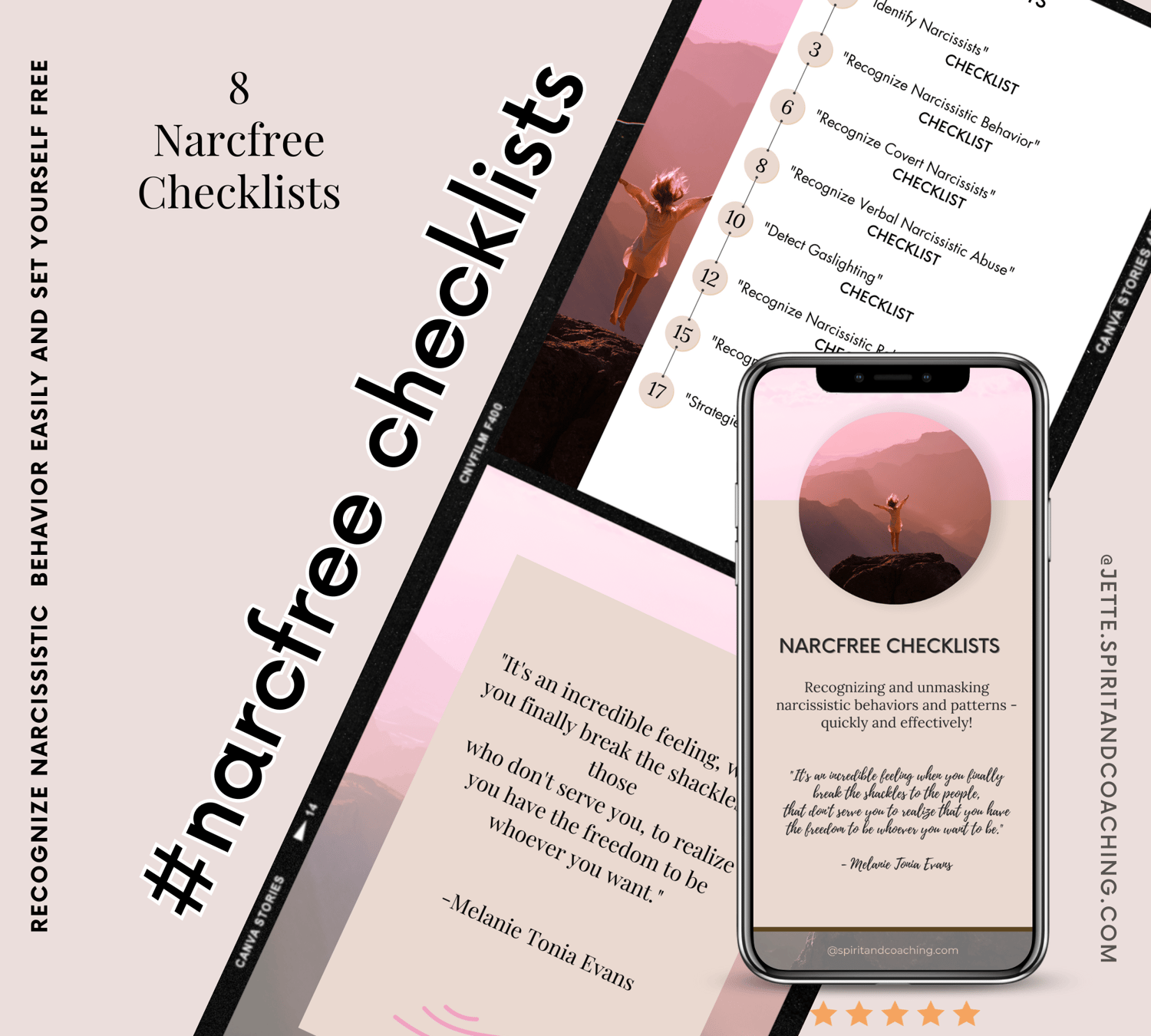
FREE "Narcfree Checklists" - Workbook
On Sale
€12.50
Free Download
Added to cart

Hello dear Narcfree visitors!


We have put together this booklet to help you quickly and effectively identify narcissistic behavior, narcissistic people, and toxic relationships.


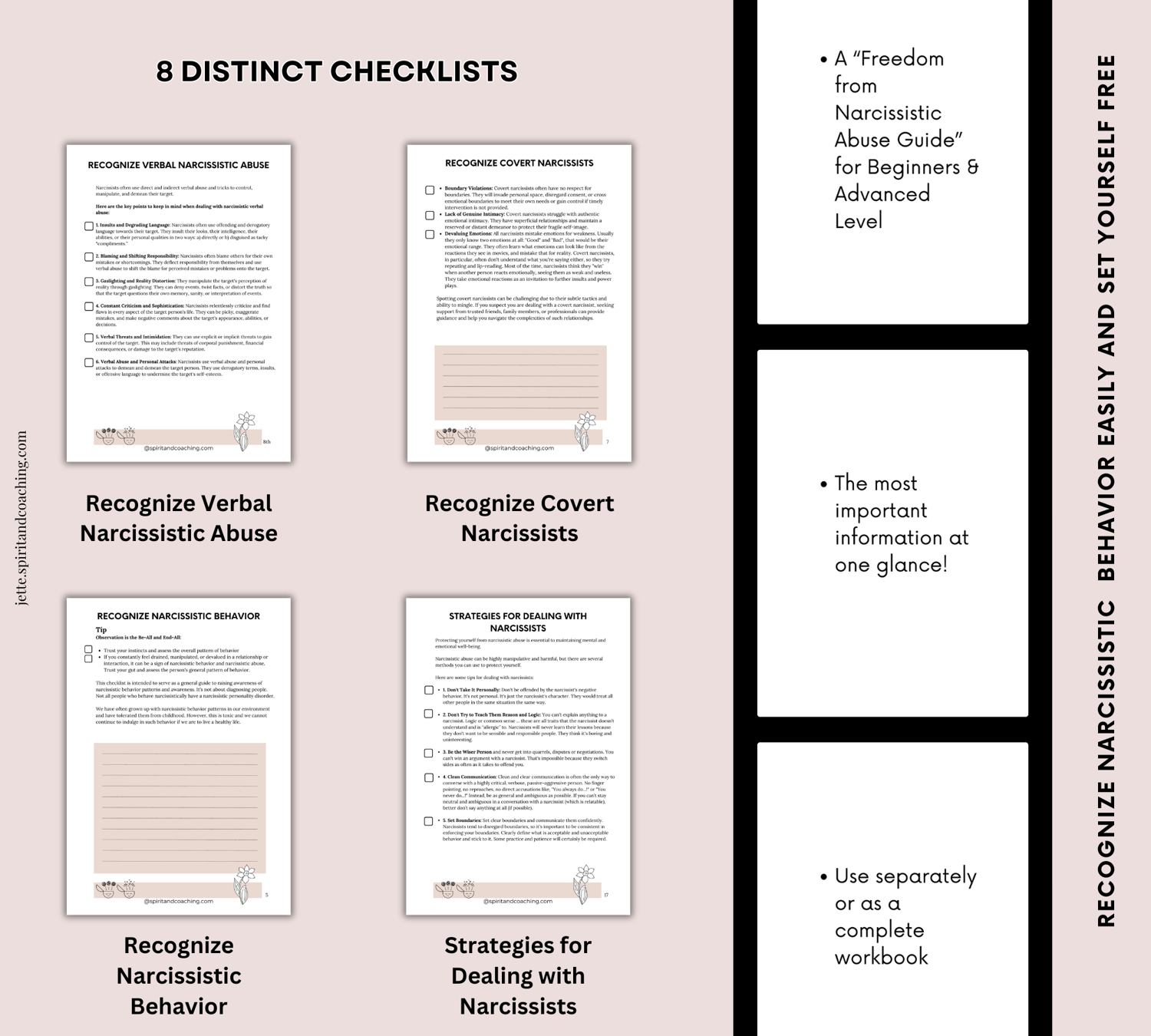
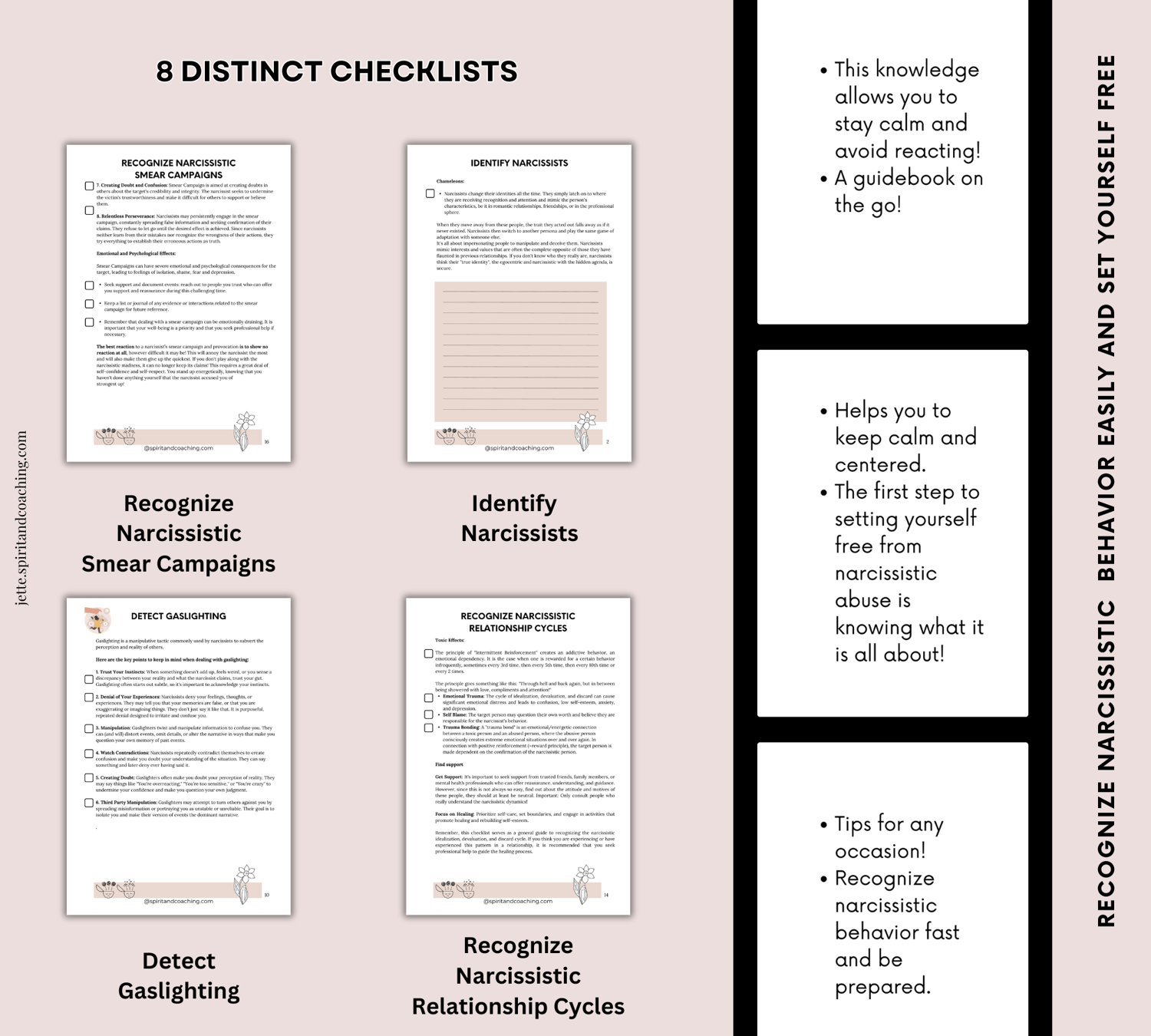
The booklet consists of 8 lists that can be used independently of each other, so that you don't have to read through all the pages first, but can start directly with the topic that is important to you.


Our Narcfree lists will help you become aware of narcissistic behaviors around you. This is the first step towards liberation and healing. You can't break free, if you don't know what you're dealing with. When dealing with narcissists in any way, you inevitably have to find yourself in difficult situations, as narcissists are always trying to trigger you and make your life difficult in different ways.


When we begin to recognize that we are dealing with people who have ulterior motives and do not have our highest good in mind, we can begin to see clearly what we really want. Do we really want to keep being humiliated and oppressed? Do we want to be held down and have our energy, power, and self worth stolen just to make a narcissist feel good? Hardly likely


We've compiled these lists to help you gain clarity and dispel doubts about manipulation issues that are often difficult to spot.


"Narcfree Checklists"


... Are made for you, so that you are always well prepared, because narcissists not only become uncomfortable when you expect them, but rather when you are unsuspecting.


Just when you no longer think about it, narcissists put out their quills. Especially then "Narcfree Checklists" are of great value. You can withdraw for a moment and look up the "Narcfree Checklists" on your mobile phone or tablet to quickly gain clarity. What you should avoid is also written down in the checklists.

When dealing with narcissists, your own mental clarity is the top priority! This will help you not to get drawn into narcissistic games and to remain your sovereignty.


The workbook contains the following checklists:


  • Identify Narcissists
  • Recognize Narcissistic Behavior
  • Recognize Covert Narcissists
  • Recognize Verbal Narcissistic Abuse
  • Detect Gaslighting
  • Recognize Narcissistic Relationship Cycles
  • Recognize Narcissistic Smear Campaigns
  • Strategies for Dealing with Narcissists


We have often grown up with narcissistic behavior patterns in our environment and have tolerated them from childhood. However, this is toxic and we cannot continue to indulge in such behavior if we are to live a healthy life.


When it comes to narcissistic abuse, the motto is, "No, it's not your fault!" The narcissist just wants you to think and even believe that! But you don't have to do that anymore.


You can also read and use our lists on your mobile phone, so that you always have them at hand, wherever you are. PDF files can be uploaded and labeled on Goodnotes and other apps.


Whenever a way of communicating or behaving seems odd to you, go through the lists that are appropriate. They are designed for different situations so that they provide extensive support for you.

If you have any further questions, send us an email or book a Narcfrei consultation with us.


You are worthwhile!


We wish you every success and good luck 🍀🍀 on your journey to self-determination!


Sincerely,


Jette & team


You receive:


  • 1 Workbook consisting of 8 checklists, 21 pages - digital download
  • 1 PDF file with very high quality
  • 1 PDF file with standard quality


This checklist workbook is intended to serve as a general guide to raising awareness of narcissistic behavior patterns. It's not about diagnosing people. Not all people who behave narcissistically have narcissistic personality disorder.


Copyright:

Please note that you are not permitted to resell or distribute any of our digital products, templates, design assets, icons, or any of their components in any manner. It's important to recognize that all designs are copyrighted.


© Jette A. Hofmann


You will get the following files:
  • PDF (39MB)
  • PDF (10MB)

Managing Christmas with Narcissists

The holidays do not solve all problems! In some cases, they can even create opportunities for narcissistic behavior. Not every narcissist has the ability to control themselves, and some individuals with narcissistic tendencies may use this time of year to assert their personal power and manipulation tactics.


When dealing with individuals who exhibit narcissistic traits or engaging in toxic behavior, managing expectations and being prepared for challenging situations can be a more realistic and helpful approach.

Expecting sudden positive changes in the behavior of individuals with narcissistic tendencies, especially during holidays or special occasions, may set unrealistic expectations and lead to disappointment or increased stress. Recognizing patterns of behavior and taking proactive steps to protect your well-being is a healthy strategy.

Here are some strategies that individuals who have experienced narcissistic abuse may find helpful:

  1. Set Boundaries: Clearly define and communicate your boundaries. Be firm in enforcing them to protect your emotional well-being.
  2. Manage Expectations: Have realistic expectations about the behavior of individuals with narcissistic traits. Understanding their patterns can help you prepare mentally and emotionally.
  3. Practice Self-Care: Prioritize self-care during and after interactions with toxic individuals. This may include taking breaks, engaging in activities you enjoy, or seeking support from friends or therapists.
  4. Create an Exit Plan: If a situation becomes too challenging, have a plan for removing yourself from it. This could involve having transportation available, a place to retreat, or a support system you can reach out to.
  5. Build a Support Network: Surround yourself with supportive friends, family members, or professionals who understand your experiences and can offer guidance and empathy.
  6. Seek Professional Help: If the impact of narcissistic abuse on your mental health is significant, consider seeking the assistance of a mental health professional who specializes in trauma or abuse.

It's important to prioritize your well-being and recognize that you cannot control the behavior of others. By adopting a proactive and self-protective approach, you can navigate challenging situations more effectively.


FREE Planner Edition
On Sale
€0.00
Free Download
Added to cart

Download Your Planner Edition for FREE:


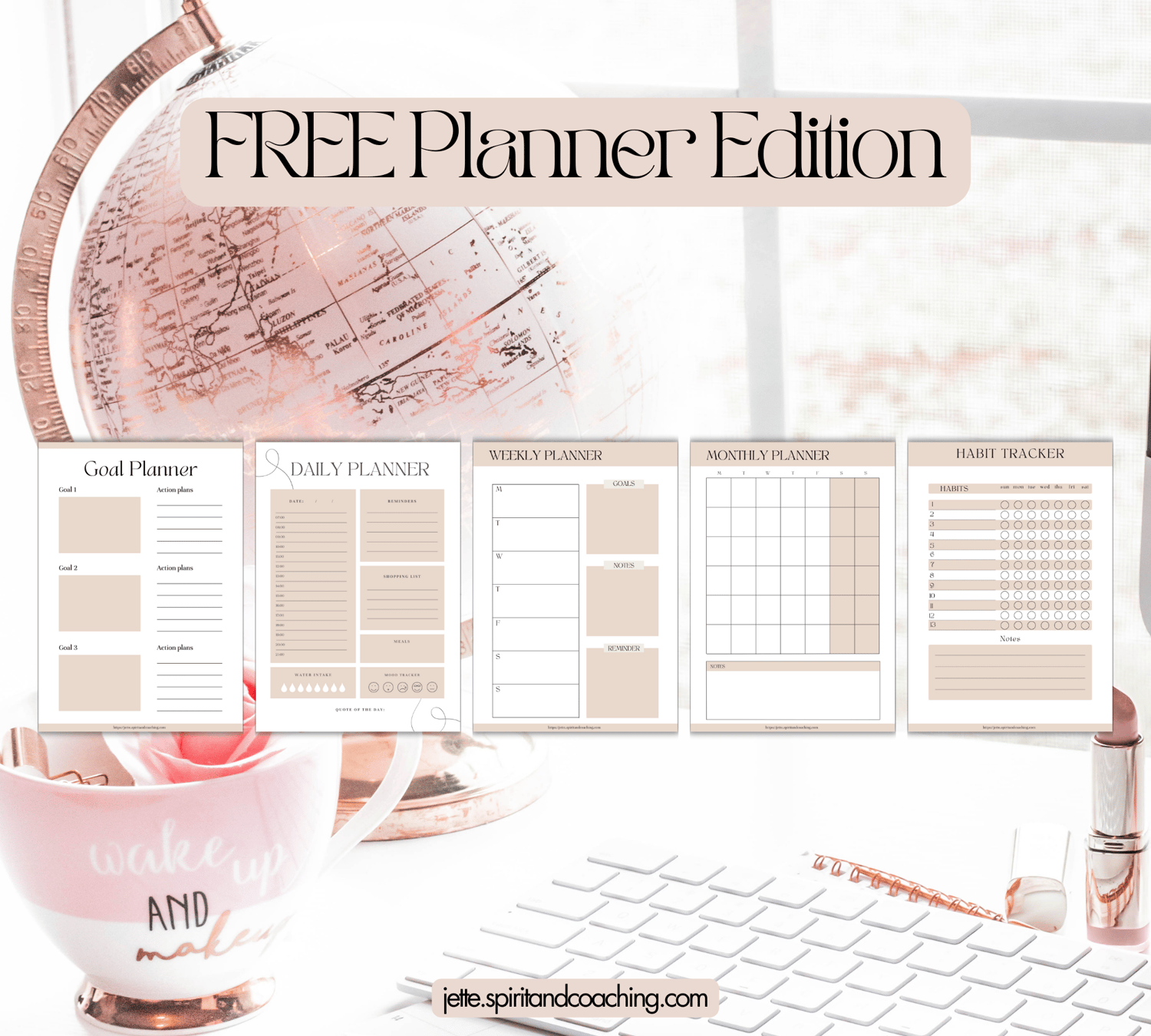
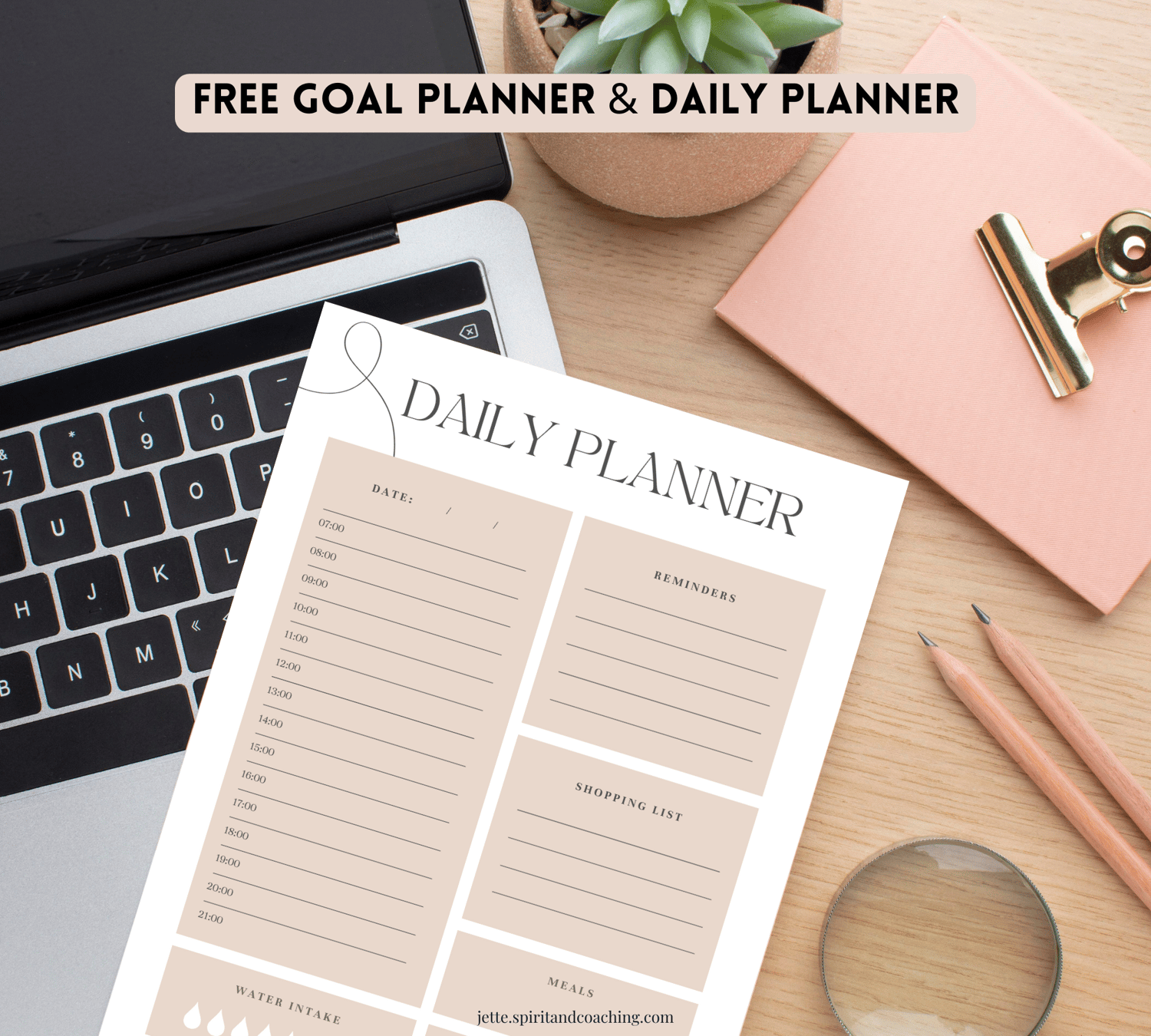
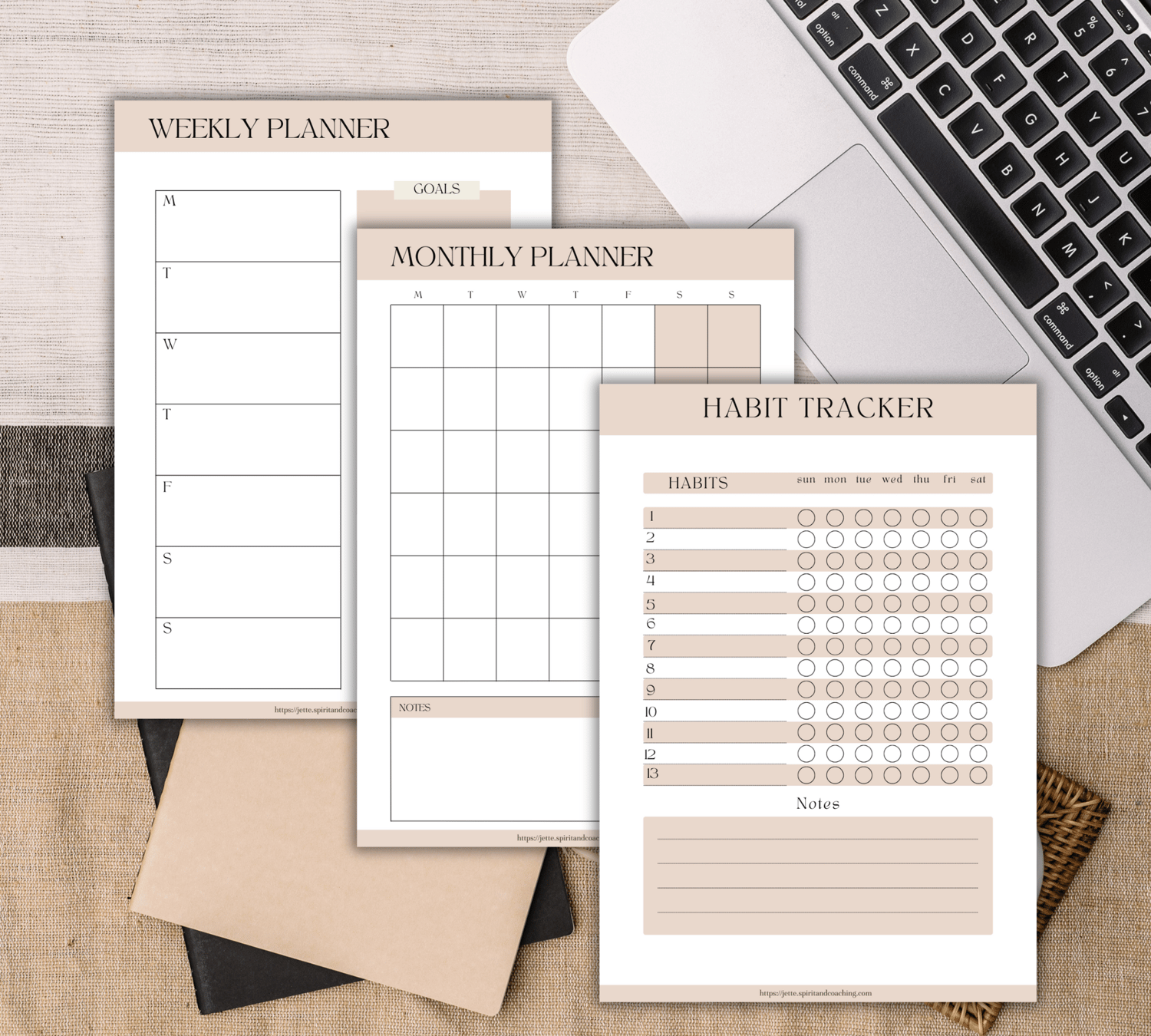
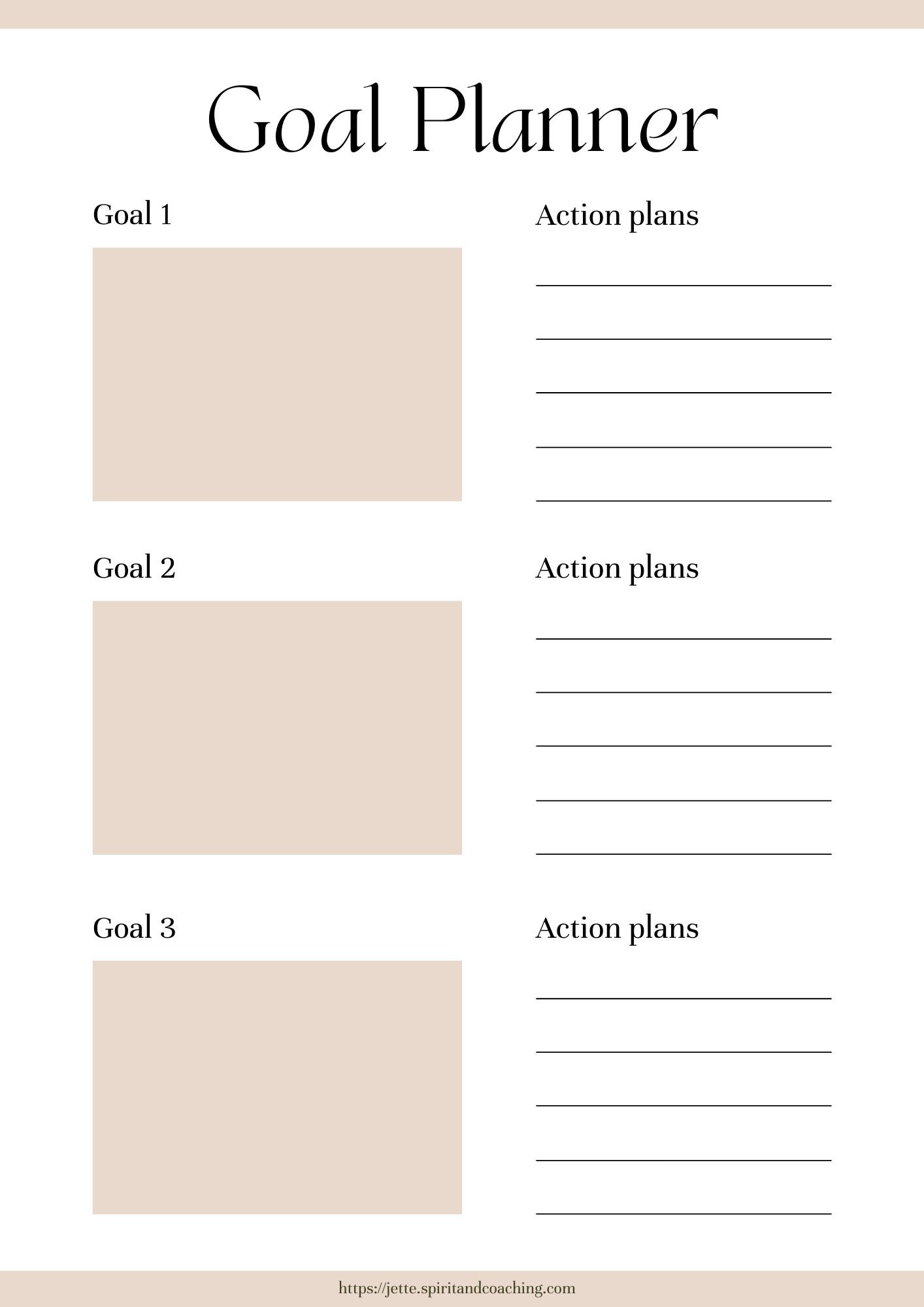
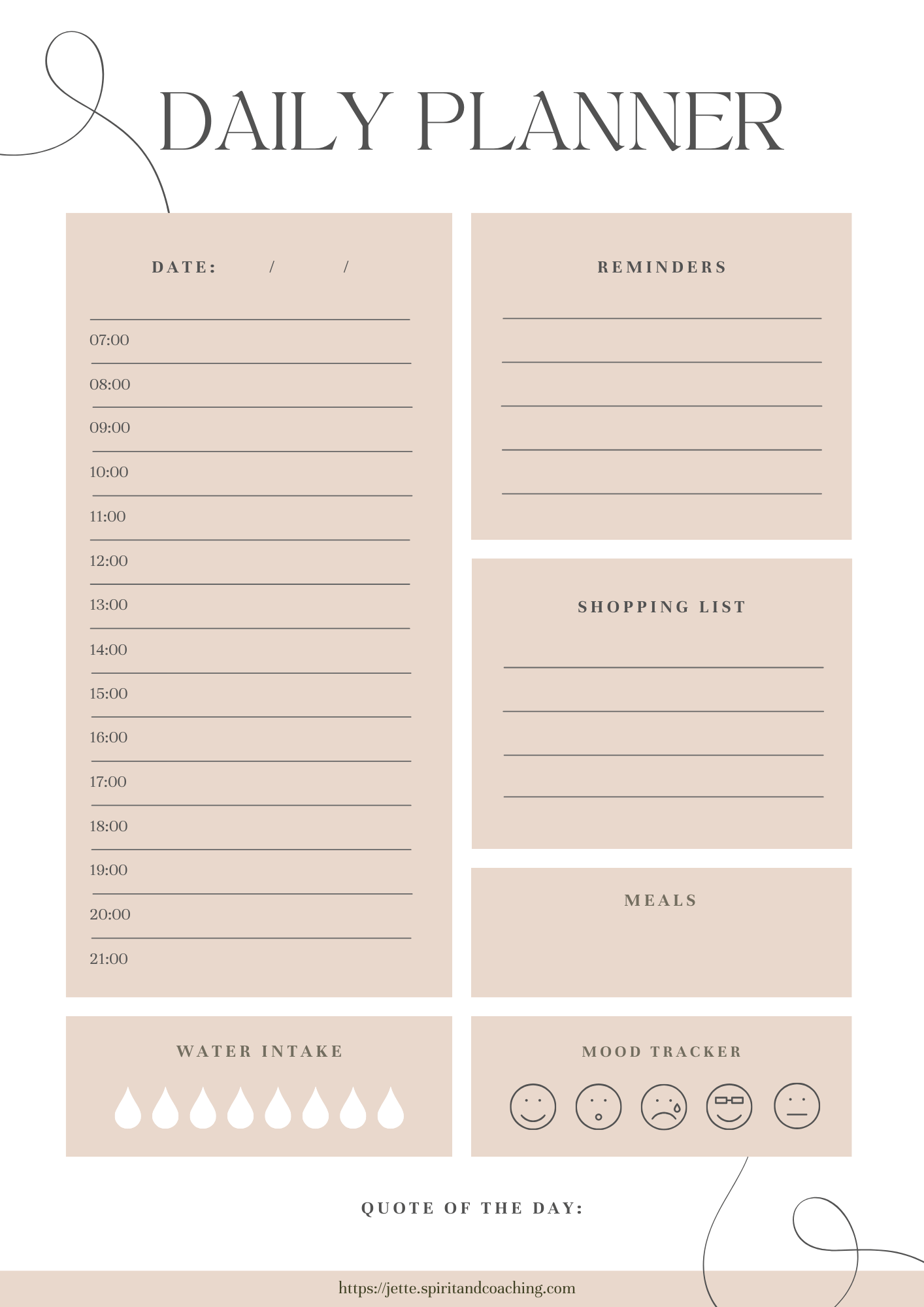
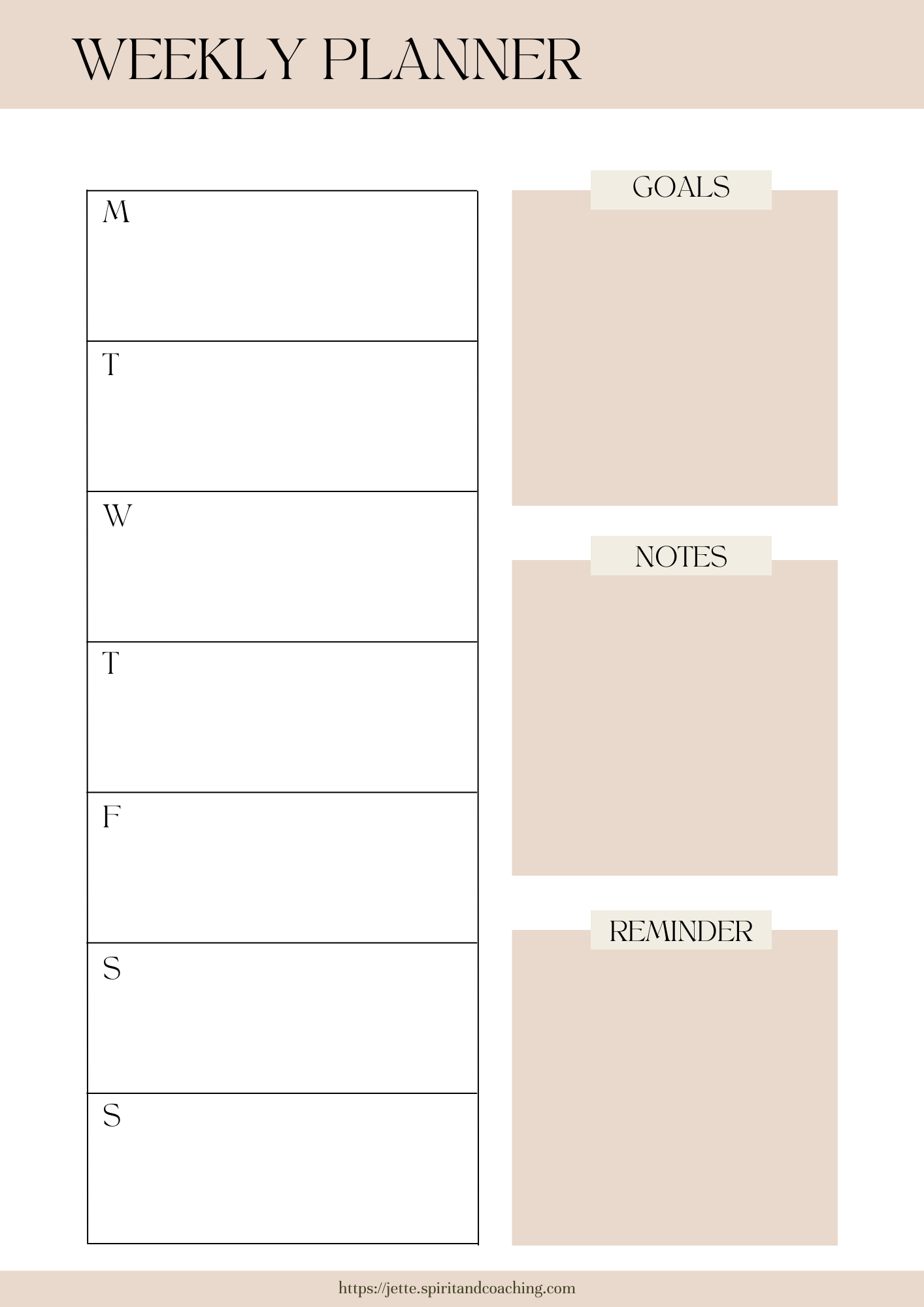
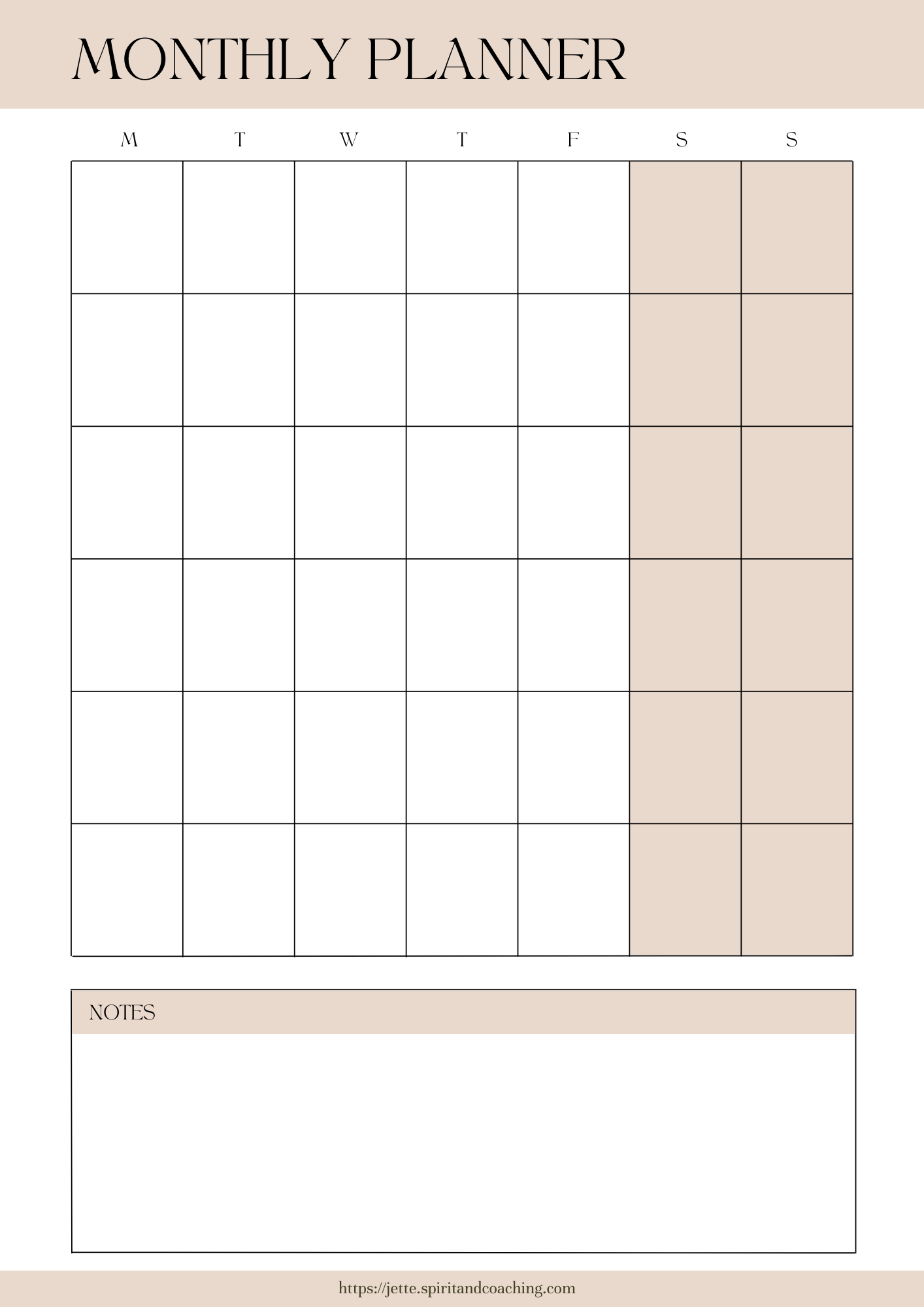
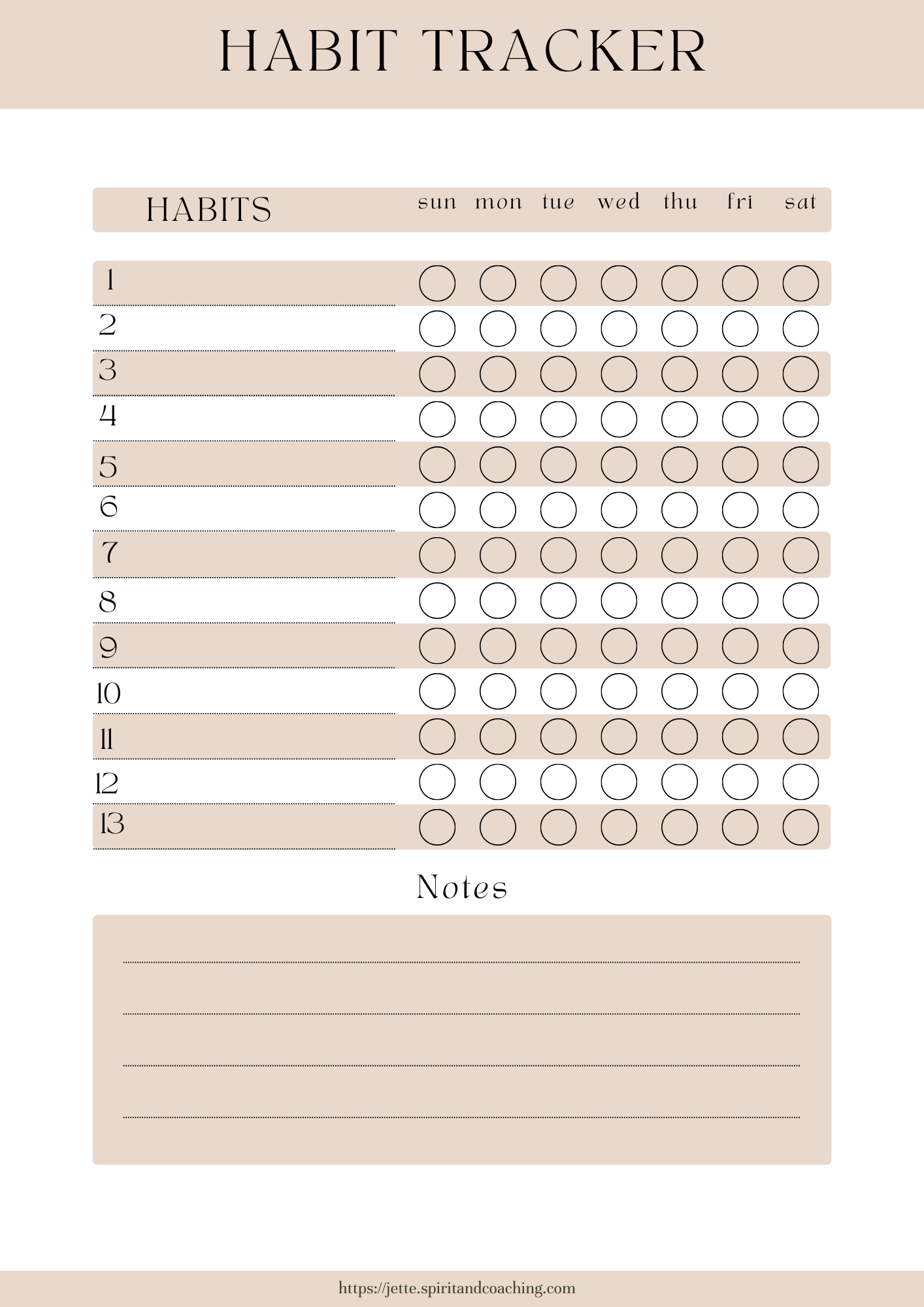
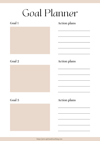
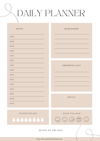
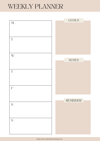
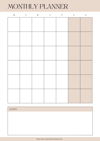
Goal Planner, Daily Planner, Weekly Planner, Monthly Planner & Habit Planner


Introducing our free Planner Edition to assist you planning your goals, your time and living your dream life. They also support the popular Pomodoro Technique, when you want to become more productive achieving more in less time! This tool will help you break down your tasks into manageable chunks and stay focused on achieving your goals. With the ability to set timers and track your progress, you can easily stay on track and increase your productivity. Try our free planner edition today and see how it can revolutionize the way you work and invest your time in a balanced way.


Simply download the PDF file for free!


Greetings from Jette


Copyright:

Please note that you are not permitted to resell or distribute any of our digital products, templates, design assets, icons, or any of their components in any manner. It's important to recognize that all designs are copyrighted.


© Jette A. Hofmann

You will get a PDF (127KB) file
setting-healthy-boundaries-tips-jette-hofmann

Setting Healthy Boundaries

Setting healthy boundaries can lead to conflicts within ourselves and with other people. But is this really necessary? Why is it often so hard to set boundaries with some people while others naturally respect them?


For sure, interacting with other people can be a balancing act, especially when we deal with "difficult" people. While communication can never be 100% perfect, you can't do anything right in the eyes of narcissists. They challenge us to gain strength and stand our ground in very uncomfortable ways.


And why can it sometimes be so hard to set healthy boundaries?

1.) We haven't learned it

Most people haven't learned how to set healthy boundaries. In families with healthy structures, setting boundaries is learned naturally, but not in dysfunctional families.

In dysfunctional relationships, we learn not to set boundaries so that we are controllable and manipulable. We are supposed to willingly allow others to overrun us and use us as a target. This makes it very easy for toxic people to deal with us. They encounter no resistance and can push us around at will.

We learn that we are seen as bad, cheeky, or mean when we say "this far and no further!" or even say "No!" It simply wasn't accepted.

As a result, when we finally start setting boundaries, they are not respected because it doesn't come from within. This means that the energy with which we set a boundary does not match the words.

We can find good words, but people only understand "Go ahead with what you want, continue manipulating..." because the energy feels too weak.


2.) We are afraid of doing something wrong

Growing up in a dysfunctional family with narcissists usually means walking on eggshells. You are constantly on dangerous ground because someone could emotionally "explode" at any moment.

Therefore, setting boundaries with toxic people is not an easy task. They not only appear difficult but also make it hard for us.

But just because someone does not react positively to your boundaries does not automatically mean you did it wrong.

Just because some people feel threatened when you say no and set boundaries does not mean you should stop. People are often very comfortable. They want to control and manipulate us like a remote control, especially if they exhibit toxic tendencies.


3.) We don't want to hurt anyone

If Mom always reacted insulted when you said what you wanted to do or not do what she wants, it feels like you've hurt her. Especially if she emotionally withdraws or even starts crying as soon as you set a boundary.

Children in dysfunctional families are often made to feel responsible for the well-being and feelings of their parents. "See, because of you, Mom is crying now!" ... Groan... How often have I heard that? Or: "Children are there for their parents!" Yes, that's how it really was 😀

If our subconscious was programmed in this way, we automatically feel a huge guilt when we want to maintain our boundaries, just at the thought of it.

If toxic family members or guardians have frequently emotionally manipulated us and played on guilt, we naturally fear hurting someone when setting boundaries. Even if we know it shouldn't be the case, the subconscious programming often prevails.

It is then crucial to gather courage and keep practicing setting boundaries. This involves stepping out of our comfort zone, which builds more self-confidence. With practice, it becomes easier to successfully set boundaries.


4.) We are afraid of the negative reaction

People with toxic tendencies often label us as rude and selfish when we set boundaries. They often shout at us and punish us if we don't "function."

Additionally, they simply turn the tables and insult us, making us feel like bad people. This is how narcissists prefer to do it. They intentionally make us feel like we are abandoning them when we set healthy boundaries.

Some may claim that we are stupid or disrespectful when we stand up for ourselves. This is nothing but manipulation.

People who feel attacked by clear boundaries and are intimidated lack healthy self-esteem and do not value the emotions of others. All that matters to them is that their needs are met around the clock.

If you leave the room because of gaslighting and aggression from the toxic person, they immediately twist the facts and claim that it's your boundaries that caused the problem. Or they simply say you are the problem, typical behavior from narcissists.

They love to claim that you are abandoning them or not loving them.


5.) We don't know how to go about it

Since we haven't learned it and have experienced unnecessary unhealthy reactions from adults or those who claim to be adults, it's only natural to feel insecure when it comes to setting boundaries.

How do you set boundaries without causing conflicts? It's really not easy, and sometimes it simply can't be done without conflicts. Healthy people understand you, toxic people do not understand and do not respect you.

The simplest method is often the most effective:

  • Think carefully about what you want to say beforehand.
  • Politely and neutrally state the boundary you are setting, for example: "I am going away for the weekend and do not want anyone to use my computer in the meantime."
  • Say what you will do if this boundary is not respected. For example: "If my computer is still used without my permission during this time, I will not bring it home anymore."
  • Don't feel guilty!
  • Say it kindly and clearly, without using "You." Phrases like "You are not allowed" or "You did...!" feel like an attack to most people.
  • Do not explain why you are setting the boundary, as this gives contrary narcissistic people the opportunity to negotiate and break down the boundaries.

Anyone who reacts insulted by setting clear boundaries is probably not emotionally mature enough.


Setting healthy boundaries is an emotionally mature action!


Narcissistic people often perceive boundaries as prohibitions, and they do not tolerate prohibitions for themselves. Therefore, they often do exactly what they are not supposed to do, even more so. If this happens repeatedly, there is often no need for discussion, but leaving the relationship may be the only solution.


Where does it come from?

Most people are not capable of self-reflection. Emotional maturity, personal responsibility, or inner stability are foreign to them. They have not matured emotionally.

Therefore, in short, they do not possess the emotional maturity for a secure, healthy relationship.

It is crucial to recognize when toxic individuals try to distort the facts by claiming that you are the problem just because you demand a minimum of respect, politeness, and consideration.

Emotionally mature individuals can naturally maintain these healthy boundaries and find it neither bothersome nor disrespectful.


People with healthy self-esteem find it respectful when someone says, "These are my boundaries!" It is a sign of strength and self-respect that they will definitely uphold.


Setting healthy boundaries only leads to conflicts with people who do not possess this emotional maturity. Dysfunctional relationships are therefore extremely conflict-ridden, while the individuals involved are simultaneously conflict-averse. This seems contradictory, but humans are often very paradoxical. Everything they try to avoid, they automatically bring about.


What to do?

It is especially important not to give up. Success comes to those who gather courage repeatedly and frequently practice setting boundaries.

By continually stepping out of our comfort zone, we can build more self-confidence. With practice, it becomes increasingly easier to successfully set boundaries.

"The journey is the goal."


setting-emotional-boundaries-frame-technique-for-empaths-jette-hofmann

How to Set Emotional Boundaries Easily

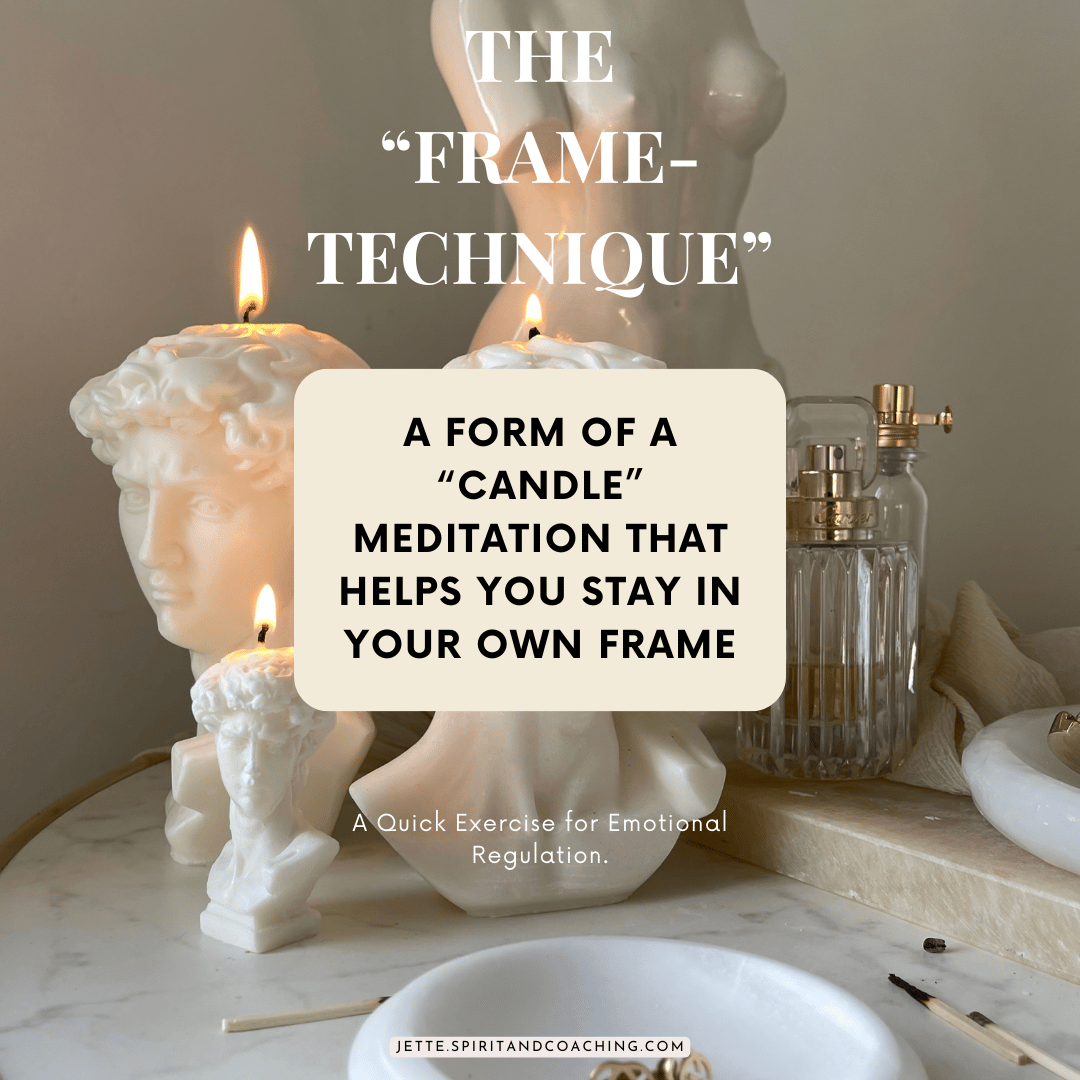
The "Frame Technique"

is a mindfulness and meditation practice often used by empaths and individuals seeking to center themselves and protect their energy from being overly influenced by others. It's a form of focused meditation that can help empaths establish boundaries and maintain a sense of emotional and energetic balance.


Here's how you can practice the frame technique:


  1. Find a quiet, comfortable space where you won't be disturbed.
  2. Light a candle and place it at eye level in front of you, so you can easily focus on it.
  3. Sit in a relaxed and upright posture. You can sit in a chair or on the floor, whichever is more comfortable for you.
  4. Take a few deep breaths to center yourself and calm your mind.
  5. Gaze at the flame of the candle. Focus your attention on the flickering flame and try to clear your mind of other thoughts.
  6. As you watch the flame, visualize a protective, energetic frame or boundary forming around you. This frame can be made of light, energy, or any material that feels protective to you.
  7. While maintaining your focus on the candle flame, imagine this frame expanding and encircling you, creating a protective barrier between you and the external energies and emotions of others.
  8. As you continue to breathe deeply and maintain your concentration on the candle and the protective frame, affirm to yourself that you are safe and protected from negative or overwhelming energies.
  9. Stay in this meditative state for as long as you feel comfortable, usually for at least a few minutes. You can gradually extend the practice as you become more experienced.
  10. When you're ready to finish, gently blow out the candle and take a few moments to reflect on the sense of protection and inner peace you've cultivated during the practice.


The frame technique is a way for empaths to create a mental and energetic boundary that can help prevent them from absorbing the emotions and energies of others. It's a mindfulness practice that can be incorporated into your daily routine or used whenever you feel the need to shield yourself from external influences.

how-to-self-regulate-yourself-quickly-tips-jette-hofmann
christmas-with-narcissists-setting-boundaries-that-stick-tips-jette-hofmann
self-regulation-techniques-for-the-holidays-jette-hofmann

How to Self-Regulate Yourself Quickly During the Holidays

Self-regulation refers to the ability to manage one's thoughts, feelings, and actions in a way that promotes well-being and positive outcomes. It involves being aware of one's internal state and using strategies to regulate emotions and behaviors. 


Do you have difficulty distinguishing your emotions from those of others and do other people's emotions bother you?


Do you have difficulty self-regulating your emotions?


Then try it once:


a) with the “Frame Technique”

b) with a breathing exercise that quickly regulates your emotions again.


A simple breathing exercise that will quickly regulate you again:


  1. Breathe in through your nose twice in quick succession
  2. Exhale completely through your mouth
  3. Snap your fingers with your left hand
  4. Snap your fingers with your right hand
  5. Clap your hands.
  6. Produce a little bit of saliva in your mouth by contracting your tounge.
  7. Rub your hands together until they feel warm.


These techniques shift the focus from your amygdala back to your body.


Repeat at least 7 times or until you feel more relaxed again.


Apply the exercise sequence whenever you feel dysregulated.


It helps you to quickly activate your parasympathetic system and switch out of the sympathetic nervous system's stress mode.


Over time you will find your own method that works best for you.


Practice makes permanent!

8 FREE Goddess Code Printable Stickers
On Sale
€0.00
Free Download
Added to cart

Activate Your Inner and Outer Goddess with Light Language Goddess Codes


If you're looking to tap into your inner and outer Goddess, Light Language Goddess Codes are the perfect tool for you. These codes can awaken your inner Goddess at the precise moment you're ready to embrace her. If you're reading this, you're probably ready to step into your Goddess qualities and become the empowered woman you were meant to be.


Introducing our enchanting collection of Goddess Code Stickers – a divine fusion of modern design and spirituality that brings the essence of ancient mythology and modern design together. 


These meticulously crafted SVG stickers entail “Light Language Goddess Codes” which ignite the light and the energy of your inner goddess.


They are offering a captivating way to adorn your personal items and spaces with divine energy and inspiration.


The "Goddess Code Stickers" come in the colors turquoise and anthracite to express the elegance and the grace of the Goddess. Turquoise and gold are also the colors of the Lemurian Goddesses.


An'anasha


Copyright:

Please note that you are not permitted to resell or distribute any of our digital products, templates, design assets, icons, or any of their components in any manner. It's important to recognize that all designs are copyrighted.


© Jette A. Hofmann

You will get a ZIP (3MB) file