Empaths, individuals who are highly attuned to the emotions and energies of others, often struggle with setting and maintaining boundaries. They have a natural inclination to help and support others, but this can sometimes lead to emotional exhaustion and overwhelm.
Establishing boundaries is essential for their well-being.
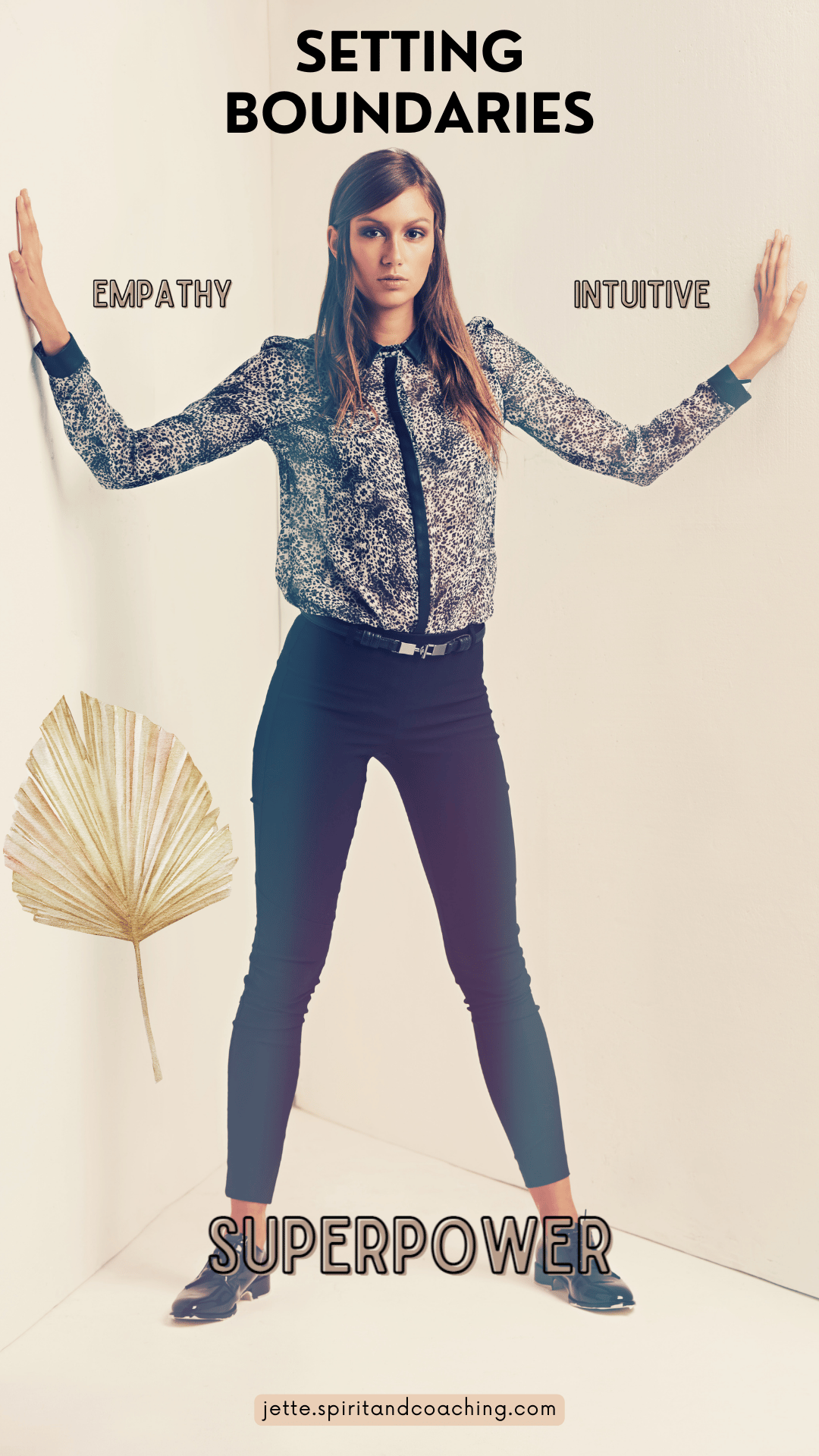
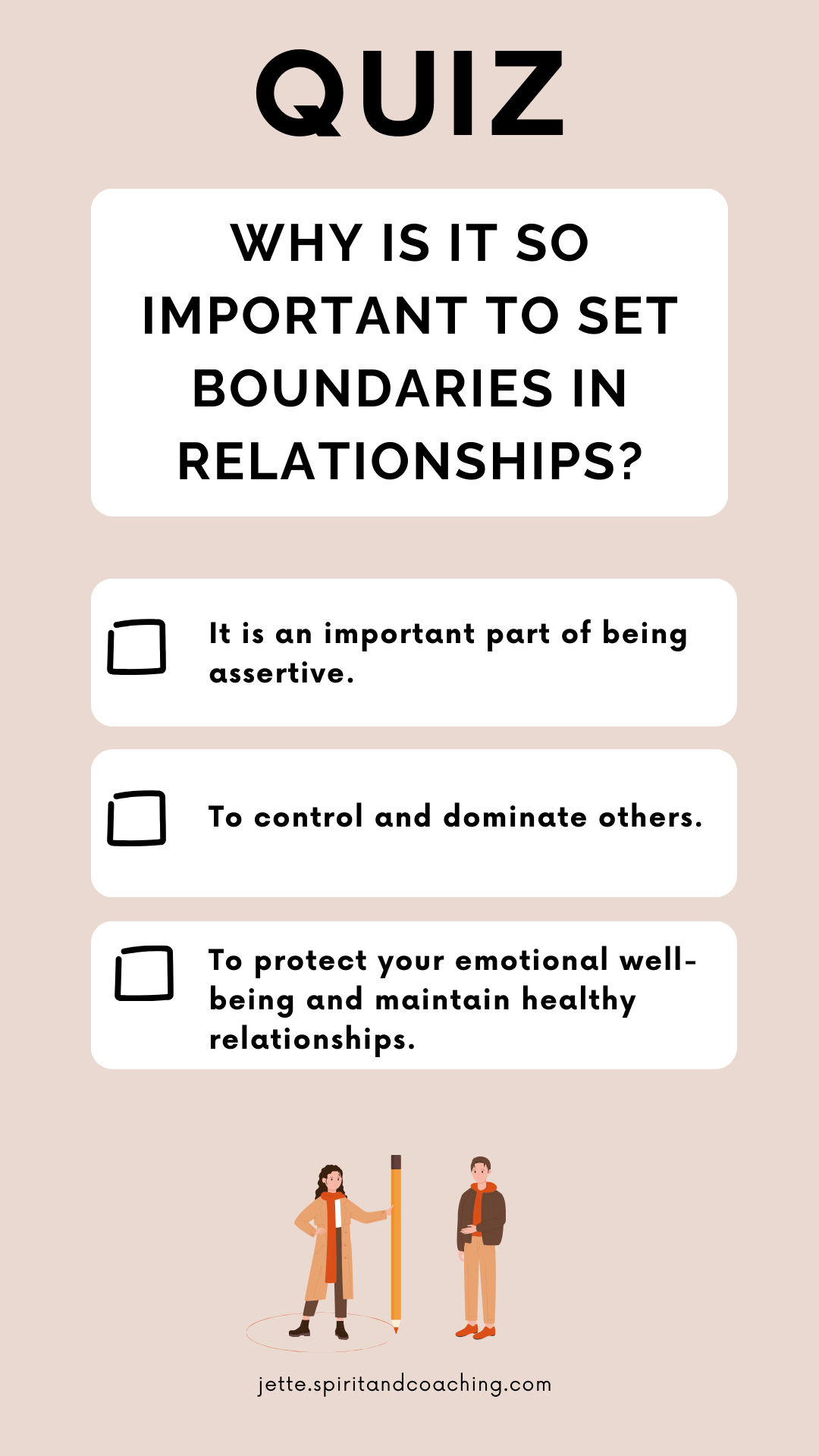
Setting boundaries can set you free and it's important because it allows you to establish limits and protect your time, energy, and emotional well-being. By saying "no" to things that don't align with your values or priorities, you can create space for the things that matter most to you.
It may be uncomfortable first, but if saying yes to others means saying no to yourself, something needs to change quickly.
For example, setting a boundary around checking work emails outside of office hours can free up time for self-care or spending quality time with loved ones.
Here are five effective ways for empaths to set boundaries that truly stick:
1,) Self-awareness is key: Begin by understanding your own emotions and recognizing when you're feeling drained or overwhelmed. Self-awareness is the foundation of setting effective boundaries. Pay attention to the physical and emotional signs that indicate you need a break or space.
2.) Prioritize self-care: Empaths tend to prioritize others' needs over their own. However, self-care is not selfish; it's necessary for maintaining your emotional and mental health. Set aside regular time for self-care activities that rejuvenate you, whether it's meditation, journaling, exercising, or simply spending time alone.
3.) Clearly communicate your needs: Empaths often assume that others can sense their boundaries or understand their emotions intuitively. However, it's crucial to express your needs and boundaries explicitly. Use clear and assertive communication to let people know when you need space or when a particular situation is causing you distress.
4.) Practice saying 'no': Learning to say 'no' is one of the most challenging yet liberating skills for empaths. Understand that saying 'no' doesn't mean you don't care; it means you're taking care of yourself. Practice setting limits on your time and energy, and don't feel guilty for declining requests or invitations that would drain you.
5.) Knowing what's yours and what belongs to others: Empaths very often don't know where their own energy ends and that of others begins. It is therefore important to know your own energy field and reconnect with your body.
Establish physical boundaries by creating a safe and nurturing environment in your personal space. Ensure you have a designated area where you can recharge and disconnect from external energies. Emotionally, practice detachment when necessary. Learn to empathize without absorbing others' emotions, and remind yourself that their feelings are not your responsibility.
Setting boundaries as an empath is an ongoing process that requires practice and self-compassion. Remember that it's a sign of strength, not weakness, to protect your own well-being. By prioritizing self-awareness, self-care, clear communication, the ability to say 'no,' and the creation of both physical and emotional boundaries, empaths can establish boundaries that stick and lead more balanced and fulfilling lives.